

Mental Health in Motherhood and Menopause: A Journey Through Hormones and Healing

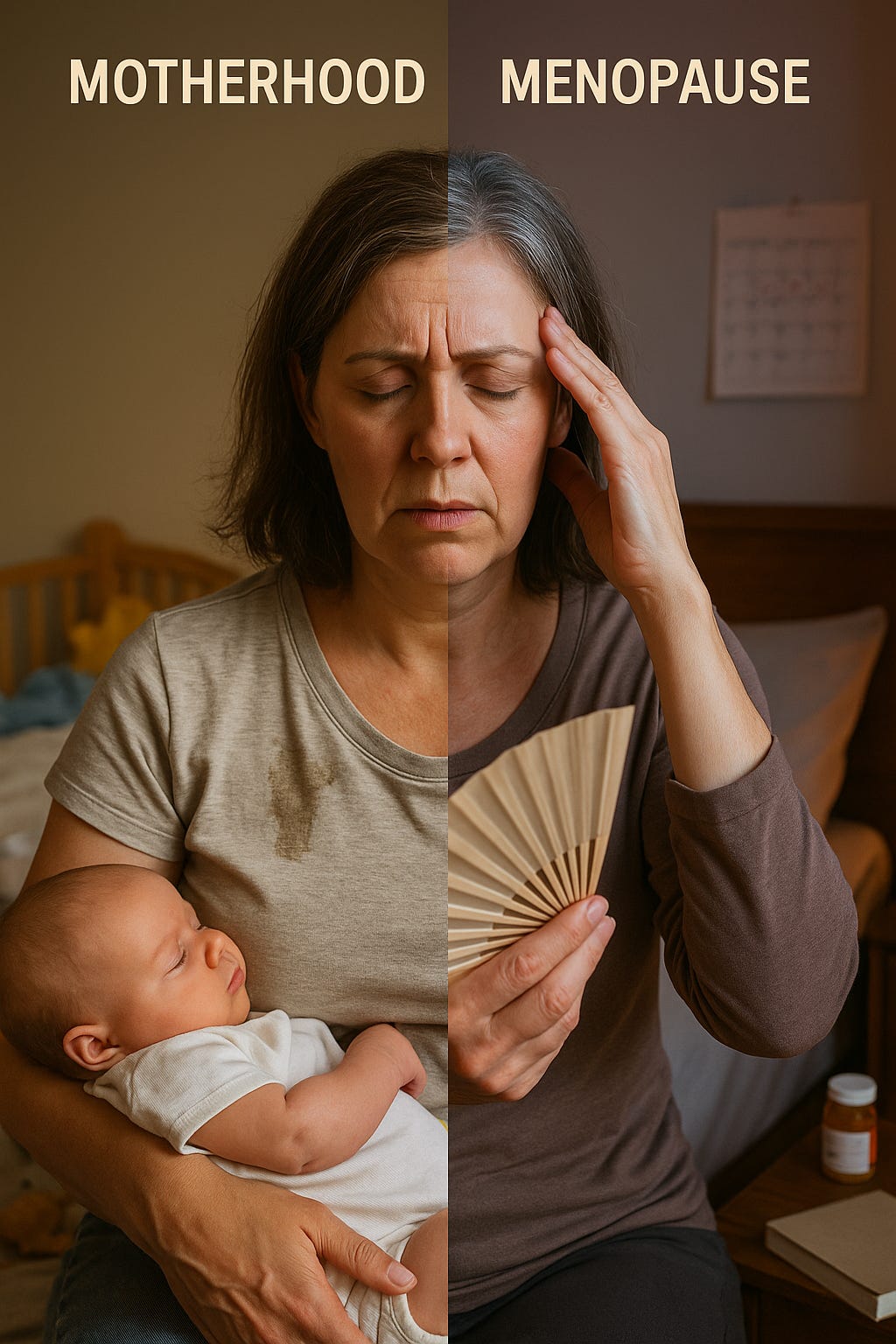
In every woman’s life, two significant transitions — motherhood and menopause — are marked not only by physical transformations but also by profound emotional and psychological shifts. These stages, while natural, are often underdiscussed in terms of mental health. Understanding how hormonal changes influence emotional well-being is key to navigating these phases with awareness, grace, and support.
Motherhood begins the moment a woman conceives. Though commonly viewed in stages — early, middle, and late — it is the early phase, from conception through the postpartum period (roughly 6 to 12 months after birth), that sees the most intense hormonal fluctuations.
Menopause, by contrast, signifies the permanent cessation of menstruation. While it marks the end of reproductive capability, it’s also a gateway to a new phase of life. Both motherhood and menopause, though very different in experience, share a deep connection with the mind — especially through the hormonal pathways that link the brain and reproductive organs.
Hormones and Mental Health: A Delicate Balance
Hormones are chemical messengers that affect every system of the body — and the brain is no exception. The primary female sex hormones, estrogen and progesterone, not only regulate the menstrual cycle but also influence mood, cognition, and emotional resilience.
-
Estrogen enhances levels of serotonin, dopamine, and norepinephrine — neurotransmitters often dubbed “feel-good chemicals.” It contributes to mood stability, memory, and emotional wellness.
-
Progesterone has calming, sedative effects on the brain, often helping with sleep and emotional regulation.
Other hormones such as cortisol (stress hormone), thyroid hormones, and oxytocin (bonding hormone) also play significant roles during pregnancy, postpartum, and menopause.
Hormonal Timeline Through a Woman’s Life
-
Childhood: Low estrogen and progesterone
-
Puberty: Estrogen rises; menstruation begins
-
Reproductive Years: Estrogen peaks around ovulation; progesterone rises post-ovulation
-
Pregnancy: Dramatic increase in both hormones
-
Postpartum: Sharp decline in hormone levels
-
Perimenopause: Irregular hormone fluctuations, especially progesterone
-
Menopause & Beyond: Sustained low levels of both hormones
Mood Swings: A Hormonal Mirror
Hormonal fluctuations often explain mood swings across life stages:
-
Low estrogen → depression, irritability, brain fog
-
High estrogen → anxiety, insomnia
-
Progesterone drop (especially postpartum) → restlessness, sadness, poor sleep
Ayurveda reminds us of the importance of moderation. The Sanskrit verse “सम्यक प्रयोग ही सर्वेषाम सिद्धिराख्यती कर्मनाम” translates to:
“Success comes only when things are done in balance — neither excessive nor deficient.”
Early Motherhood: Emotional Challenges and Hormonal Storms
During early pregnancy, estrogen and progesterone surge — more than at any other time in life.
-
Estrogen sharpens emotional responses, making women more sensitive and reactive.
-
Progesterone slows bodily functions, often leading to fatigue, sluggish digestion, and low energy.
External stressors — lack of support, work pressures, poor sleep, or traumatic birth — can worsen mental health outcomes.
Common Mental Health Concerns in New Mothers:
-
Baby blues
-
Postpartum depression (PPD)
-
Anxiety disorders
-
Postpartum psychosis
-
Birth-related PTSD
-
Exacerbation of pre-existing mental health conditions
But it’s not all despair. Oxytocin, the “love hormone,” plays a central role in postpartum healing, bonding, and emotional stability. Released during labor and breastfeeding, it fosters attachment, reduces stress, and supports maternal instincts.
Not Every Woman Copes the Same Way
Globally, around 17.2% of women experience postpartum depression, with rates climbing to 23% in North America. This highlights the urgent need for awareness, early diagnosis, and accessible support.
Ayurveda’s Contribution: Garbh Sanskara
Ayurveda offers Garbh Sanskara, a holistic prenatal and perinatal wellness concept. Rooted in ancient wisdom, it emphasizes preparing the mind, body, and soul for motherhood — even before conception.
This practice includes
-
Mindful preconception planning
-
Monthly dietary routines
-
Meditation and mantras
-
Gentle yoga and local therapies
-
Musical and emotional enrichment
-
Specific herbal support
These principles continue to support the mother-child duo far beyond birth.
Such practices should be personalized and guided by a qualified Ayurvedic gynecologist.
Menopause:
Menopause is the reverse journey of puberty. It typically occurs between ages 45 to 55, following a premenopausal transition that starts in the late 30s or early 40s.
Recognizing early signs allows for smoother adaptation and better long-term outcomes.
Menopausal Symptoms:
-
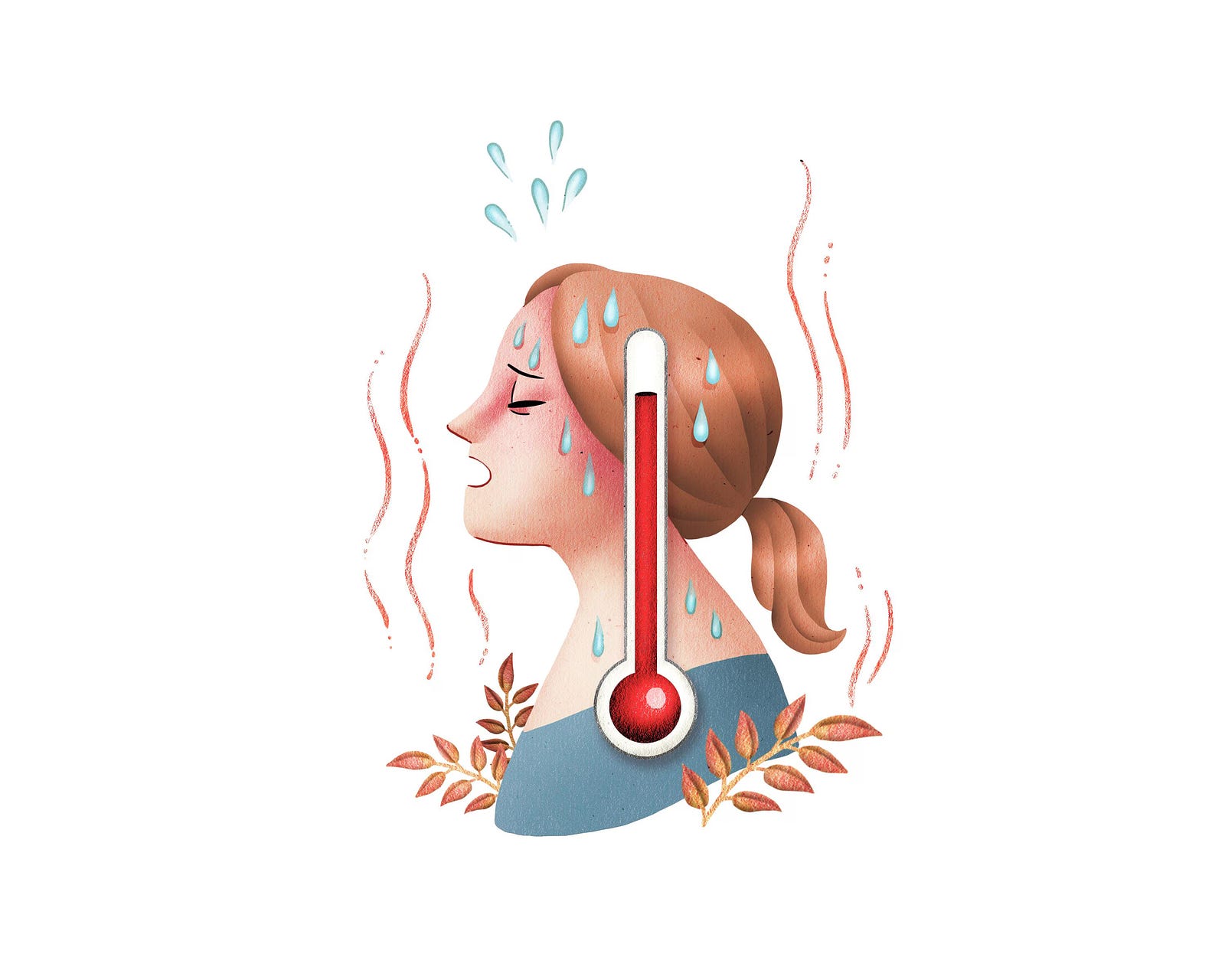
Hot flashes, night sweats
-
Vaginal dryness, reduced libido
-
Mood swings, brain fog, memory issues
-
Insomnia, joint pain, weight gain
Post-Menopause Risks:
-
Osteoporosis
-
Heart disease
-
Bladder and vaginal issues
-
Emotional dullness or chronic fatigue
When to Seek Medical Help
A woman should consult a doctor if she experiences
-
Bleeding after 12 months of no menstruation
-
Severe hot flashes or disrupted sleep
-
Persistent low mood or anxiety
-
Painful intercourse unrelieved by lubricants
-
Breast lumps, nipple discharge
-
Unexplained weight changes or signs of bone loss
Diagnostic Tools:
-
Hormonal assays
-
Vaginal cytology
-
Progestin challenge tests
Though clinical history often offers the best guidance.
Conventional Treatments vs. Natural Alternatives
Hormone Replacement Therapy (HRT) is widely used, but it comes with long-term risks:
-
Breast and ovarian cancer
-
Cardiovascular issues
-
Cognitive decline
From an ecological and Ayurvedic standpoint, replacing natural processes may bypass built-in safety mechanisms. Nature provides instruments for balance — the challenge is to rediscover and apply them.
Ayurvedic Support for Menopause
Ayurveda recommends Rasayana therapy — rejuvenation treatments that enhance vitality and slow aging.
Components include:
-
Herbs like Guduchi, Gokshura, and Amla
-
Shirodhara, abhyanga, and panchakarma
-
Satvavajaya chikitsa (psychological resilience-building)
-
Tailored yoga and breathing practices
-
Individualized diet and lifestyle guidance
These therapies restore balance and bring physical and emotional steadiness.
Final Takeaway: Awareness is the First Medicine
“True strength lies in understanding ourselves before things fall apart.”
Whether it’s motherhood or menopause, these transitions are natural — but suffering is not. Awareness, timely support, and holistic care can transform these life phases into opportunities for growth, connection, and renewal.
Take a moment today to check in with your body and mind — not only when things go wrong, but even when everything seems fine. That’s where real well-being begins.
Consult Dr. Aishwarya Vasava in Mississauga or online
Looking for personalized Ayurvedic guidance? Explore our women’s health care at Jeevdhaari Keraliya Ayurveda, 1616 Matheson Blvd Unit 25, Mississauga, or consult online from anywhere in Canada. Book an appointment or call +1 (416) 991-4809.