


Introduction: A Clue in the Curves of the Palm
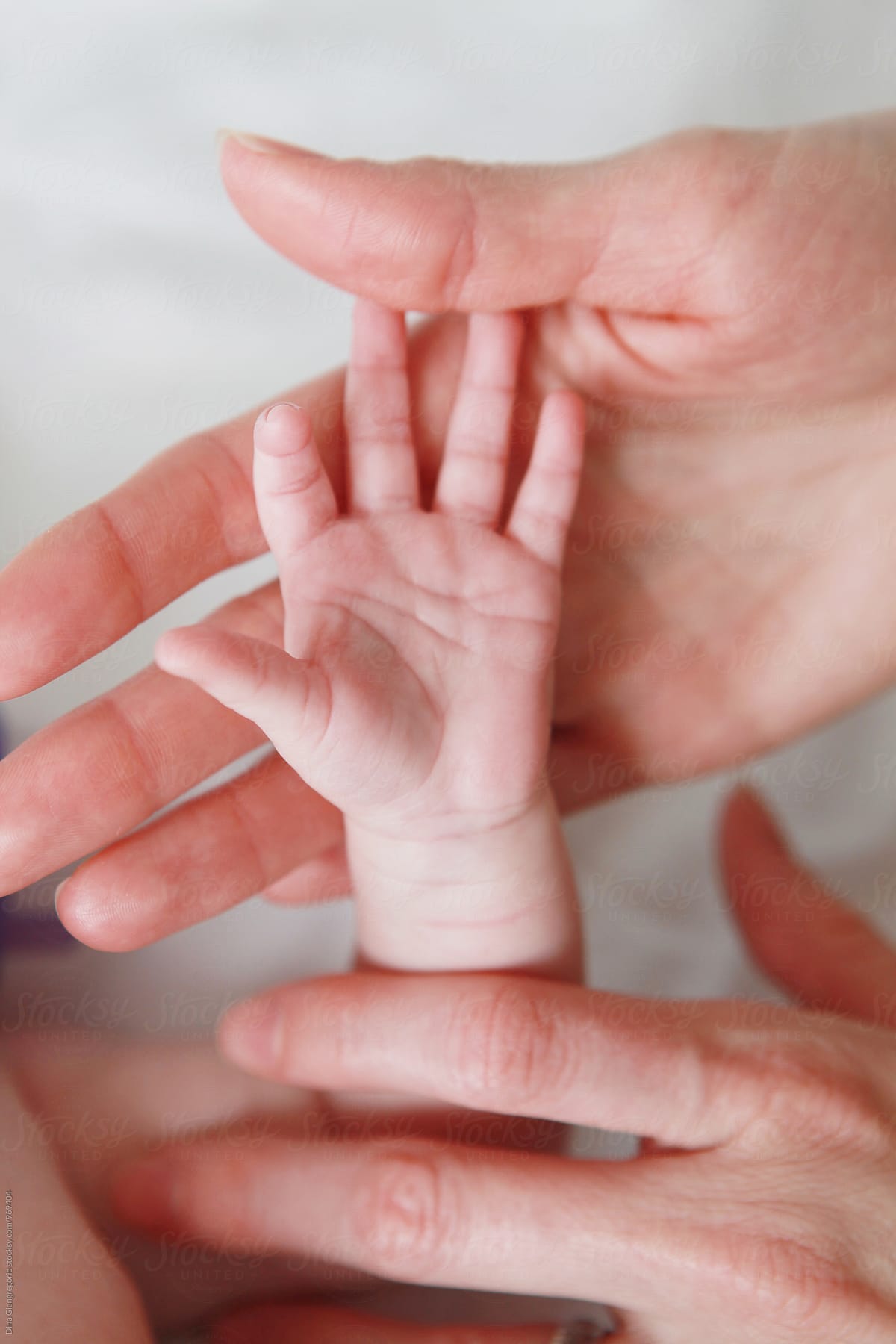
Have you ever looked at your palm and wondered if those lines mean more than just mystic symbols? What if the story of your health, especially your prenatal journey, was etched into your hands before you were even born? While palmistry has often been dismissed as folklore, modern science is now paying closer attention. Astonishingly, researchers are discovering that the lines on your hands and your fingerprints could hold clues to your development in the womb and potential health outcomes.
When Science Meets the Soul Line
In recent years, a convergence between ancient Ayurvedic wisdom and contemporary scientific inquiry has opened up new dimensions of understanding. Ayurveda, the ancient Indian system of medicine, has long maintained that the body’s features—including the palm—reflect one’s physical and mental constitution, or Prakriti. Modern science is beginning to echo this perspective, especially in the field of developmental biology and dermatoglyphics (the study of the patterns of ridges on the skin of the fingers, palms, toes, and soles).
Palmistry and Fetal Development: The Scientific Link
Palm lines and fingerprints are not just formed by chance. According to research, the dermatoglyphic patterns on our fingers and palms begin forming between the 10th and 19th weeks of gestation—a critical time for fetal brain development and organogenesis. By the 19th week, when fingerprints are permanently etched, many vital organs, such as the pancreas, are already formed.
This is where the connection becomes compelling. Scientists now suggest that any nutritional deficiencies, hormonal imbalances, or environmental stressors experienced by the fetus during this window can influence both organ development and the formation of palm lines and fingerprints.
Research Spotlight: Henry Kahn’s Fingerprint-Diabetes Study
Henry Kahn, a researcher at the Centers for Disease Control and Prevention (CDC) in Atlanta, conducted a groundbreaking study examining the fingerprints of diabetic patients. He focused specifically on the thumb and little finger, where the most significant variations were found.
Kahn analyzed data from 569 individuals who were in utero during the Dutch famine of 1944-45. The findings were striking: individuals with diabetes had a significantly higher number of fingerprint ridges, indicating a potential developmental irregularity in the pancreas during fetal life.
Kahn concluded that disturbances during early pregnancy, such as malnutrition, could manifest physically in the form of altered fingerprints and possibly impact lifelong health. These insights tie directly into Ayurvedic principles, which emphasize maternal nutrition and well-being as essential to fetal health.
John Manning and the Information in Fingers
John Manning, a psychologist from the University of Central Lancashire in the UK, has also highlighted the significance of finger length ratios and patterns. Manning argues that these digit ratios can reveal prenatal hormone exposure, especially testosterone and estrogen levels, which play a key role in shaping not only physical traits but also behavioral tendencies and disease susceptibility.
Ayurveda’s View: Pregnancy Health is Future Health
Ayurveda has long recognized that the seeds of future health (or illness) are sown in the womb. The concept of “Garbhini Paricharya” (Ayurvedic prenatal care) stresses that a pregnant woman’s diet, lifestyle, emotional state, and environment directly influence the fetus. It goes beyond mere survival to the optimization of intelligence, immunity, and longevity.
One of the oldest Ayurvedic texts, the Charaka Samhita, emphasizes the importance of maternal nourishment and emotional balance during pregnancy. Modern science, with its growing research into fetal programming and epigenetics, is beginning to confirm these ancient insights.
The Pancreas, Insulin, and Pregnancy Nutrition
The pancreas, which regulates insulin production, is one of the organs most sensitive to prenatal conditions. A deficiency in key nutrients during gestation—especially during the organ formation phase—can impair the development of the pancreas. This, in turn, predisposes the child to metabolic disorders such as type 2 diabetes later in life.
The link between fingerprint patterns and pancreatic health, as observed in Henry Kahn’s study, provides a real-world biological basis for what palmistry has long hinted: that your hands can reflect the internal workings of your body and its developmental history.
Ayurvedic Palm Reading: Beyond Fortune-Telling
In Ayurveda and traditional Indian palmistry (known as Hast Samudrik Shastra), the hand is seen as a microcosm of the body. The mount of Venus (the fleshy area below the thumb) is associated with reproductive health and vitality. The line of life, line of heart, and line of head are not merely predictors of events but reflect physiological and psychological conditions.
Practitioners have long observed that a deep, clear “line of child” or “Garbharekha” can suggest reproductive capability, while interruptions or weak lines may signal hormonal imbalances or potential issues with fertility or pregnancy outcomes.
Modern Research Backs Ancient Wisdom
A 2023 research article in the Journal of Developmental Origins of Health and Disease highlights how maternal stress, poor nutrition, and environmental toxins can alter fetal development and leave lasting epigenetic marks—some of which may manifest externally. Dermatoglyphic abnormalities have been observed in individuals with a range of developmental conditions, including Down syndrome, autism, and congenital heart defects.
Emerging Research: Epigenetics and In Utero Environment
Scientists now understand that the epigenetic landscape of a fetus—which determines how genes are expressed without altering the DNA sequence—is profoundly influenced by maternal diet, stress levels, and environmental exposures. These changes not only affect the baby’s immediate development but may also predispose them to chronic illnesses in adulthood.
A 2025 study published in Frontiers in Genetics has shown correlations between prenatal environmental stress and variations in dermatoglyphic patterns, supporting the idea that fingerprints and palm lines are markers of intrauterine health.
The Fingerprint as a Diagnostic Tool
Medical professionals in some countries are beginning to explore dermatoglyphics as a supplementary diagnostic tool. It is non-invasive, inexpensive, and can potentially indicate early developmental risks in children. In India, some integrative clinics are even combining palm analysis with genetic and metabolic screening to personalize healthcare plans.
Ayurvedic Intervention: Nurturing the Mother, Protecting the Future
In Garbhini Paricharya, mothers are guided through trimester-specific diets, yoga practices, meditations, and herbal formulations. Herbs like Shatavari etc are prescribed to support hormonal balance, emotional calm, and fetal brain development. These interventions aim not only to prevent complications but to ensure the child is born with optimal mental and physical health—reflected, perhaps, in the balance of their palm lines.
Conclusion: Hands That Tell a Story
The convergence of ancient palmistry and modern science is no longer just a philosophical idea. Research is now uncovering how much of our health history—even from the womb—may be visible in our hands. From fingerprints that hint at metabolic dysfunctions to palm lines that echo hormonal journeys, the human hand may indeed hold secrets about our beginnings.
While science continues to decode the story etched in our palms, Ayurveda reminds us to write a healthy one—starting with the care of the mother. Because the true map of well-being may begin long before birth and be carried in the curves of your hand.
References:
-
Kahn, H. S. et al. (1995). Fingerprint ridge count and diabetes mellitus in adults. CDC Archives.
-
Manning, J. T. (2002). Digit Ratio: A Pointer to Fertility, Behavior, and Health. Rutgers University Press.
-
Charaka Samhita (Ayurvedic Text). Sutrasthana Chapters on Garbhini Paricharya.
-
Journal of Developmental Origins of Health and Disease (2023). Maternal Nutrition and Fetal Programming.
-
Frontiers in Genetics (2025). Prenatal Environmental Stress and Dermatoglyphic Variation.
-
Hast Samudrik Shastra—Traditional Indian Palmistry Texts
Consult Dr. Aishwarya Vasava in Mississauga or online
Looking for personalized Ayurvedic guidance? Explore our Garbhasanskar program for couples at Jeevdhaari Keraliya Ayurveda, 1616 Matheson Blvd Unit 25, Mississauga, or consult online from anywhere in Canada. Book an appointment or call +1 (416) 991-4809.